Seyi Vibez — chaine officielle YouTube
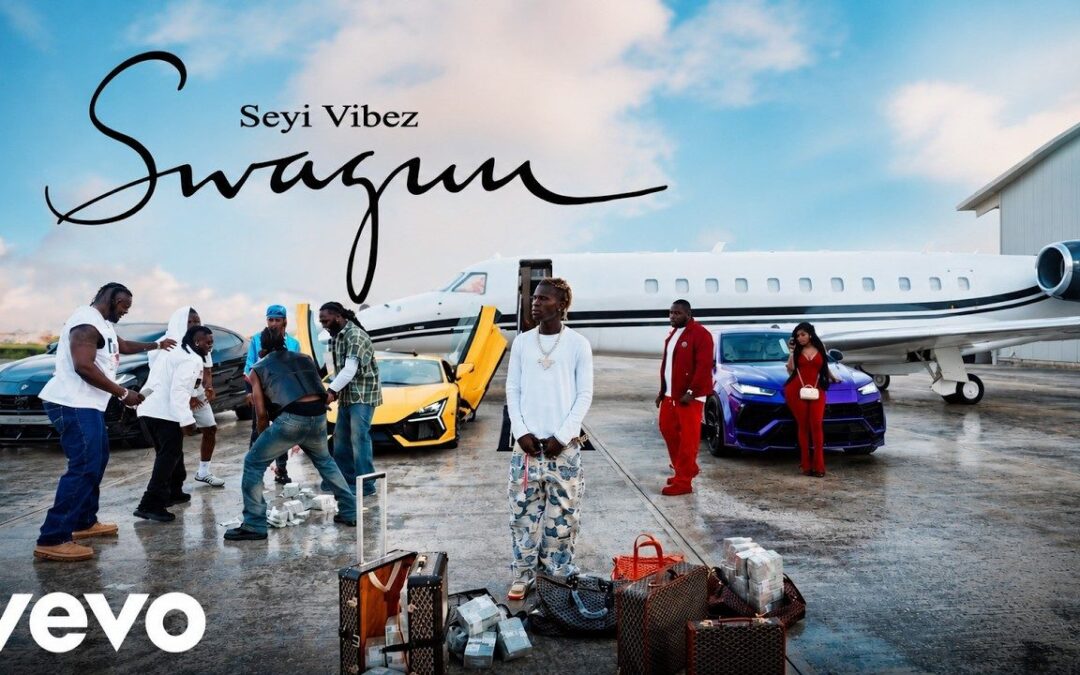
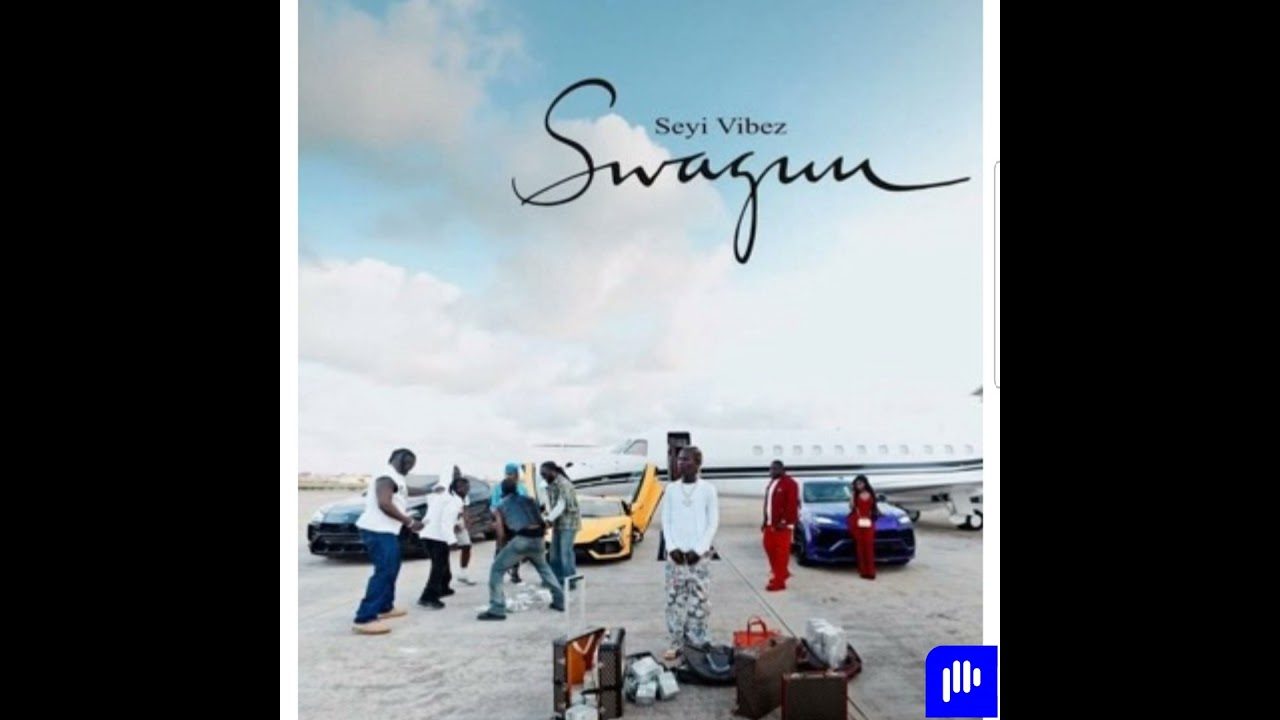
Seyi Vibez has released SWAGUU, his fifth studio album, a 14-track project that keeps building the momentum of one of the most closely watched voices in the new wave of afrobeats. The record is executive-produced by Burna Boy, a long-time mentor figure for the singer, and takes an unexpected turn toward American rap with a feature from Quavo on the title track.
A fifth album shaped under Burna Boy’s watch
Handing executive-producer duties to Burna Boy is no small gesture. The Port Harcourt star has followed Seyi Vibez since his early days and, by the younger artist’s own account, passed on one piece of advice above all: never show weakness, and keep moving. SWAGUU took shape between sessions in Cape Town before being wrapped up back home in Lagos, a back-and-forth that kept the album rooted in Nigerian street sound while opening it up to outside influences, most notably on the amapiano-leaning track Pansa.
Quavo, an unexpected pick for the title track
What stands out most is the presence of American rapper Quavo on the closing, title track, SWAGUU. The former Migos member and Atlanta rap fixture was not an obvious fit for a project so firmly planted in Nigerian street culture. The choice signals Seyi Vibez’s intent to reach a wider audience without diluting his identity: the bulk of the record still leans hard into West African production and lyrics that mix Nigerian pidgin with Yoruba.
A tracklist that picks up his own story
The album opens with Volume, billed as a burst of energy, before moving through cuts like GTA, Diamonds, Melanin and God, the latter offering a more reflective moment midway through the record. SWAGUU also folds in two previously released songs, Back 2 U and GTA, giving the rollout a sense of continuity rather than betting everything on a single surprise drop.
- Volume, GTA, Diamonds, Melanin, God, Pansa and Ilome make up the album’s first half.
- Alagia, El Jaja, Alubarika, Akpan Akpari and Oble carry the back half.
- The Quavo-featuring title track SWAGUU closes the record.

What this release says about afrobeats right now
SWAGUU confirms a shift already underway across Nigerian afrobeats: artists who keep a strong local footing, in sound and in language, while building more bridges toward neighboring scenes, whether that’s South African amapiano or American rap. Seyi Vibez, who broke through with a run of street mixtapes before landing bigger albums like Billion Dollar Baby, embodies a generation that no longer treats authenticity and international reach as a trade-off.
The album lands as the West African scene keeps stacking up major releases this fall, between fresh projects and cross-genre features. In its own way, it confirms that afrobeats keeps widening its audience without cutting ties to where it comes from. Fally Ipupa marked a similar milestone this fall, celebrating twenty years in the game with a tribute to Congolese rumba — a sign that the African scene keeps delivering major moments this season.
Who is Seyi Vibez
Born in Lagos in 2000, Seyi Vibez first made his name in the late 2010s through a run of street mixtapes that circulated in neighborhoods and local studios before crossing over to streaming platforms. His sound, often filed under street-pop, blends highly melodic hooks with direct, lived-in writing that has since reached far beyond Nigeria. Projects like Billion Dollar Baby and Thy Kingdom Come built his reputation as a songwriter able to hold together religious devotion, material ambition and the doubts of a young artist suddenly thrust to the top.
On SWAGUU, he shifts register without abandoning that identity: the record leans into a bolder, more flexed sense of success while keeping the vocal and rhythmic signatures that built his following. The Quavo feature is more than a marketing move; it fits a pattern already seen among other afrobeats artists of his generation, using a single American collaboration to widen the audience without reshaping the album around it.