BIGBANG / YG Entertainment
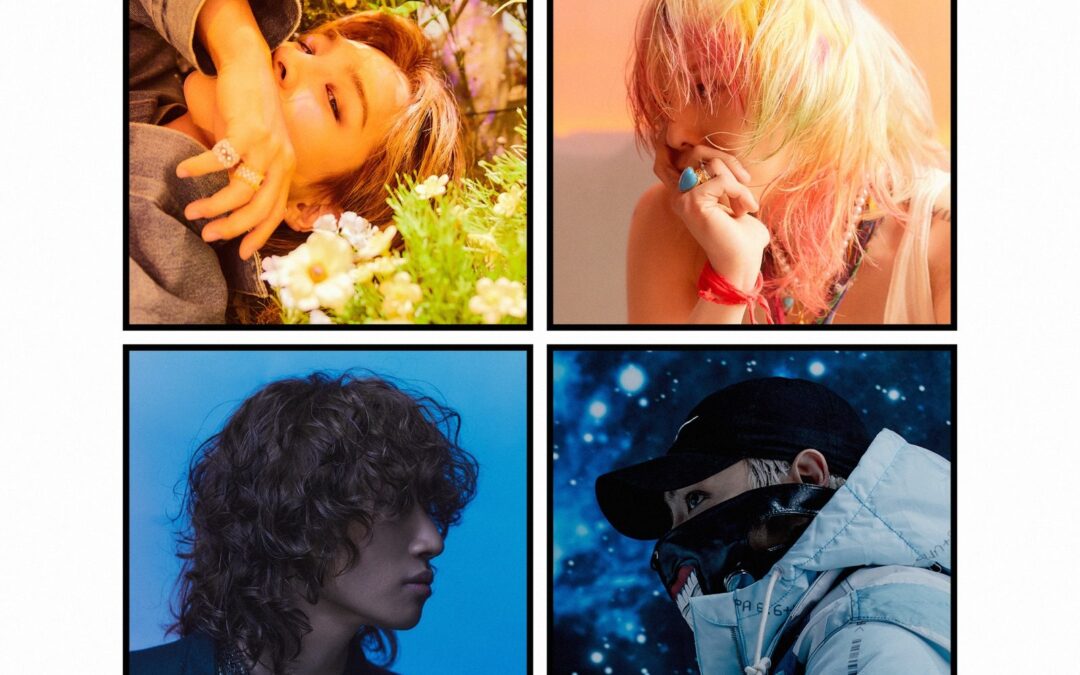
It is one of the most anticipated reunions in recent K-pop history. BIGBANG, the group that helped define the genre’s second generation, is heading back on the road to celebrate twenty years together. G-Dragon, Taeyang and Daesung are touring the world again, and the anniversary run includes a landmark French date: the trio will play the Stade de France for the first time in their career, on September 19, 2026.
A first world tour since 2017
This took patience. BIGBANG had not staged a full run of shows since 2017 and the Last Dance tour. Appearances grew rare, the members’ mandatory military service and a long stretch of silence fed the sense that the group already belonged to the past. The answer arrives as a number: thirty-one dates spanning Asia, North America, Europe and Australia. The tour opened on August 21, 2026 at Goyang Stadium in South Korea, in front of a crowd there to check that the machine still ran.
It does. G-Dragon, the group’s most recognizable figure and the author of much of its catalogue, leads alongside Taeyang, the band’s soulful voice, and Daesung, the entertainer who can turn a stadium on its head in seconds. The trio makes no attempt to hide the years that have passed: the show leans into nostalgia as much as into sheer firepower.
Twenty years that reshaped Korean pop
To grasp the scale of the moment, remember what BIGBANG stood for. Formed in 2006, the group pushed a simple but then-unusual idea: idols who write, compose and produce a good share of their own music. Far from the expected template, BIGBANG blended hip-hop, electro, R&B and pop ballads with a freedom that opened the door for a whole generation. Tracks such as Fantastic Baby, Bang Bang Bang and Loser became reference points, covered, sampled and danced to well beyond Korea.

Their influence shows in the way today’s biggest K-pop acts build their identity: the care for visuals, the appetite for risk in production, the notion that entertainment can also be a songwriter’s craft. You can hear it in the groups that followed, such as NCT 127, who recently marked ten years of their own. BIGBANG did not invent K-pop, but they helped it grow and gave it an artistic credibility it still lacked at the close of the 2000s.
Still Life, the door left open
In the meantime, the group had left a sign. In 2022, after nearly four years of silence, BIGBANG released Still Life, a soft-rock ballad of unexpected tenderness, co-written and co-composed by G-Dragon. The song, which meditates on the passing of the seasons and a backward glance at one’s own youth, topped the iTunes charts in thirty-three countries and passed one hundred million views on YouTube. In hindsight, it reads less like a farewell than a door left ajar.
The anniversary tour now swings that door wide open. In Saint-Denis on September 19, French audiences will see, inside the Stade de France for the first time, a group they had until now only been able to catch in arenas or at festivals. For a country where K-pop was long a niche phenomenon before turning into a mainstream event, the stop carries real symbolic weight.
More than a reunion for day-one fans
That leaves the question every reunion raises: what are people coming for? Not just the hits, though they will be there. Rather the confirmation that a collective able to fill stadiums twenty years apart still holds something singular. BIGBANG is no longer the five-member outfit of its debut, and it does not pretend to be. What it offers is an evening that condenses two decades of Korean pop, with its excess, its ballads and its knack for a hook. A useful reminder, at a time when K-pop rules the platforms, of where a large part of that story began.