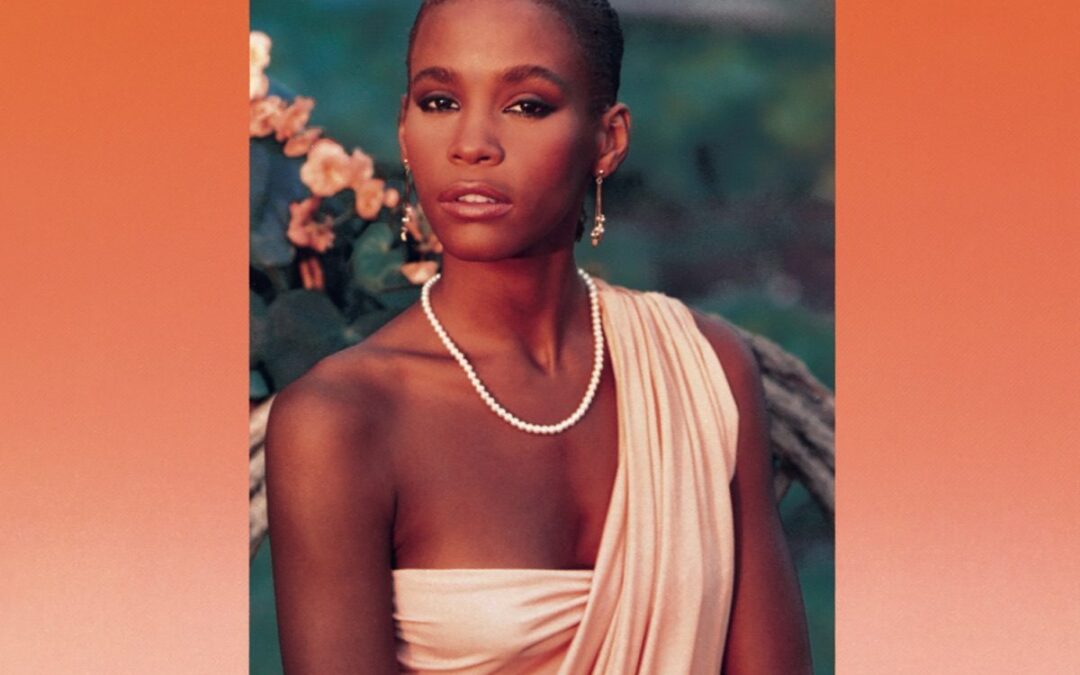
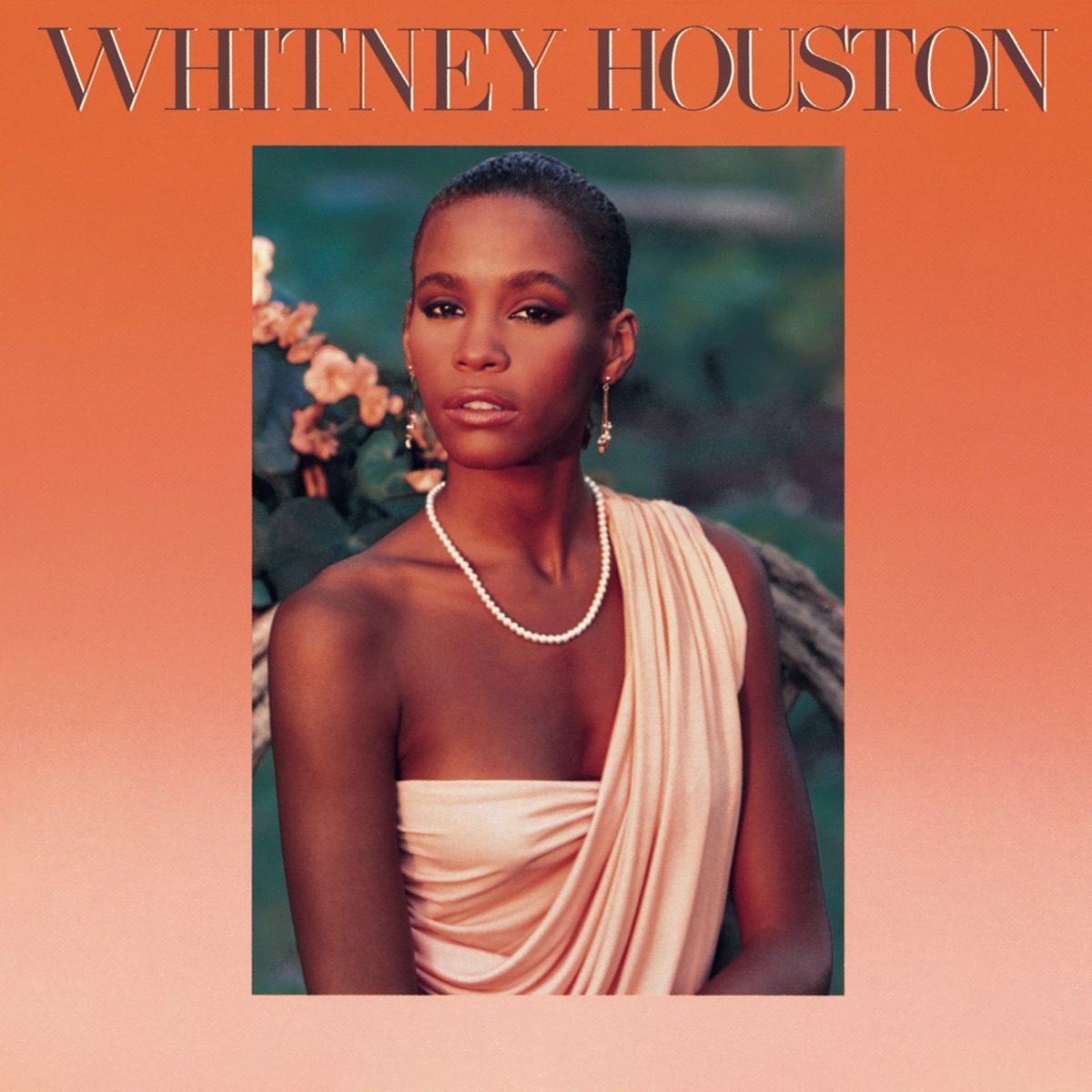
Pochette officielle de l'album Whitney Houston (1985) — Arista Records
Few voices in pop history have managed to do so much with so little apparent effort as Whitney Houston’s. Between 1985 and her death in 2012, the American singer set a technical standard that pop and R&B have arguably never surpassed since: enormous vocal power, always in service of the song rather than used as a party trick. Here are ten tracks that explain why her name remains an absolute reference point, from her explosive debut through to covers that eventually eclipsed their originals.
The early years (1985-1987): an instant star
How Will I Know
Taken from her debut self-titled album, this track — originally written with Janet Jackson in mind — immediately shows off one of Whitney Houston’s defining strengths: her ability to inhabit pure, dance-leaning pop without ever sounding out of place, despite having grown up singing gospel alongside her mother, Cissy Houston. The bright, colorful video helped turn her into an MTV star straight off her first album, a rare feat for a Black American artist on the channel at the time.
Saving All My Love for You
Written by Michael Masser and Gerry Goffin, this track gave Whitney Houston her first US number one. The song, about an affair with a married man, cut against the squeaky-clean image the label was trying to build around her — but the voice itself already carries an emotional authority rare for a twenty-one-year-old newcomer. The restrained, perfectly controlled chorus has since become a reference point for generations of singers.
Greatest Love of All
Originally written by Michael Masser and Linda Creed for George Benson in 1977, the song was fairly obscure before Whitney Houston covered it. Her version, built around a message of self-worth that would later be quoted endlessly in American graduation speeches, became so closely identified with her that the original has all but vanished from the collective memory. It’s also one of her best showcases for a slow, controlled build — from an almost whispered verse to a full-voice final chorus.
I Wanna Dance with Somebody (Who Loves Me)
The lead single from her second album, simply titled Whitney, marks a deliberate pivot toward pure dance-pop, closer to Donna Summer’s territory than the ballads that had built her early success. The gamble paid off: the song gave her a third consecutive number one, and nearly forty years later it remains one of the most-played tracks at parties and in advertising, proof of an almost timeless piece of songwriting.
So Emotional
Also from the Whitney album, this punchier pop-rock track reveals a more playful side of the artist, far from the increasingly serious diva image being built around her at the time. It capped a run of seven consecutive US number-one singles between 1985 and 1988, a record that stood for years before being matched by other pop stars much later.
1992: The Bodyguard year, the peak of her career
I Will Always Love You
Originally written and recorded by Dolly Parton in 1974, the song became, thanks to Whitney Houston and the soundtrack of The Bodyguard, one of the biggest-selling recordings in music history. The arrangement, opening on an a cappella verse before exploding into a horn-driven chorus, was specifically designed to showcase the full range of her voice. The single remains one of the best-selling of all time by a female artist, and is still cited as the gold standard for vocal performance in pop music.
I’m Every Woman
Another major cover from The Bodyguard soundtrack, this one written by Nickolas Ashford and Valerie Simpson, had been a hit for Chaka Khan back in 1978. Whitney Houston’s version, funkier and faster than the original, became an anthem of female self-reliance, since reprised by countless artists on stage and at award ceremonies.
Run to You
Less frequently cited than the previous two, “Run to You” remains one of the most representative examples of what Whitney Houston did best: a classic romantic ballad, free of excessive production tricks, that leaves all the room for her voice and phrasing. The video, shot at a period costume ball, quietly ties into the film’s plot without ever trying to overshadow it.
The later years: a voice that kept carrying every project
Step by Step
Written by Babyface for the soundtrack of 1996’s The Preacher’s Wife, this song marks Whitney Houston’s return to gospel, the genre she grew up singing alongside her mother and her cousin Dionne Warwick. Less familiar to international audiences than her biggest pop hits, it remains a favorite among her most dedicated fans, both for the sincerity of the performance and for a song choice that reconnects with her religious roots.
Million Dollar Bill
Taken from her final studio album, I Look to You, released in 2009, this track, co-written and produced by Alicia Keys and Swizz Beatz, shows a Whitney Houston sincerely trying to relaunch her recording career after a difficult stretch of years. The voice had changed — rougher, marked by time — but it’s instantly recognizable, and the song keeps the disco-funk energy that defined the start of her career. It stands as a valuable document of an artist who, to the very end, kept trying to reinvent herself rather than coast on her back catalogue.
Listening back to these ten songs in order says something about how pop careers were built before streaming turned every release into a scattered string of singles. Whitney Houston’s catalogue moves in clear chapters — the unstoppable run of number ones in the mid-1980s, the soundtrack-driven peak of the early 1990s, then a slower, more personal final decade — and each chapter still holds up as a self-contained statement rather than a collection of isolated hits. That’s part of why her influence keeps resurfacing in the current generation of pop and R&B singers, who treat her vocal choices less as a style to imitate than as a technical benchmark to measure themselves against.
For anyone wanting to compare two towering voices from the same vocal tradition, our piece on Aretha Franklin is worth the detour — it helps measure just how far Whitney Houston, while rooted in that same gospel and soul lineage, pushed her catalogue toward pop built for a global mainstream audience.