Bonnie Tyler en 2016 (photo : 2eight, CC BY-SA)
Four months after her death, Bonnie Tyler is back on release schedules one last time. “Love, Light and Peace,” billed as her final studio recording, arrives today as a Christmas single. The Welsh singer, who died in July at 75, had finished the track before the hospital stay that would take her life, with no idea it would become her parting shot on record.
Before getting into this last release, a reminder of just how far Bonnie Tyler’s rasp has carried: “Total Eclipse of the Heart” remains one of the most-streamed songs in pop history, more than four decades after it first topped the charts.
A career built on a handful of indestructible anthems
Born in Skewen, Wales, to a working-class family, Bonnie Tyler broke through in 1976 with “Lost in France,” before “It’s a Heartache” became her first major US hit the following year. But it was 1983 that truly defined her career: written and produced by Jim Steinman, “Total Eclipse of the Heart” hit number one on both sides of the Atlantic and sold, by some estimates, more than six million copies. The song has since passed one billion streams on Spotify, joining the platform’s exclusive Billions Club, and keeps resurfacing near the top of the charts every time a solar eclipse sweeps across the globe, a pattern that has repeated itself since 2017.
Tyler also found an unexpected second wind outside the English-speaking world: in France, a bilingual 2003 duet with singer Kareen Antonn, “Si demain… (Turn Around),” spent ten weeks at number one on the French charts. She kept touring well into her seventies, including an anniversary run, the “40 Years Total Eclipse of the Heart Tour,” launched in 2023 to mark four decades of the song that made her a household name.

A career cut short by illness
Tyler’s story came to an abrupt end this summer. In early May 2026, she was placed in a medically induced coma in Portugal following emergency surgery for a perforated intestine. She never fully recovered: her family announced her death on July 9, saying she had “passed away unexpectedly in hospital in the night, as a result of the illness she was being treated for.” She was 75. Tributes poured in from both sides of the Atlantic, including from UK Prime Minister Keir Starmer, who called her “one of Britain’s greatest recording artists.”
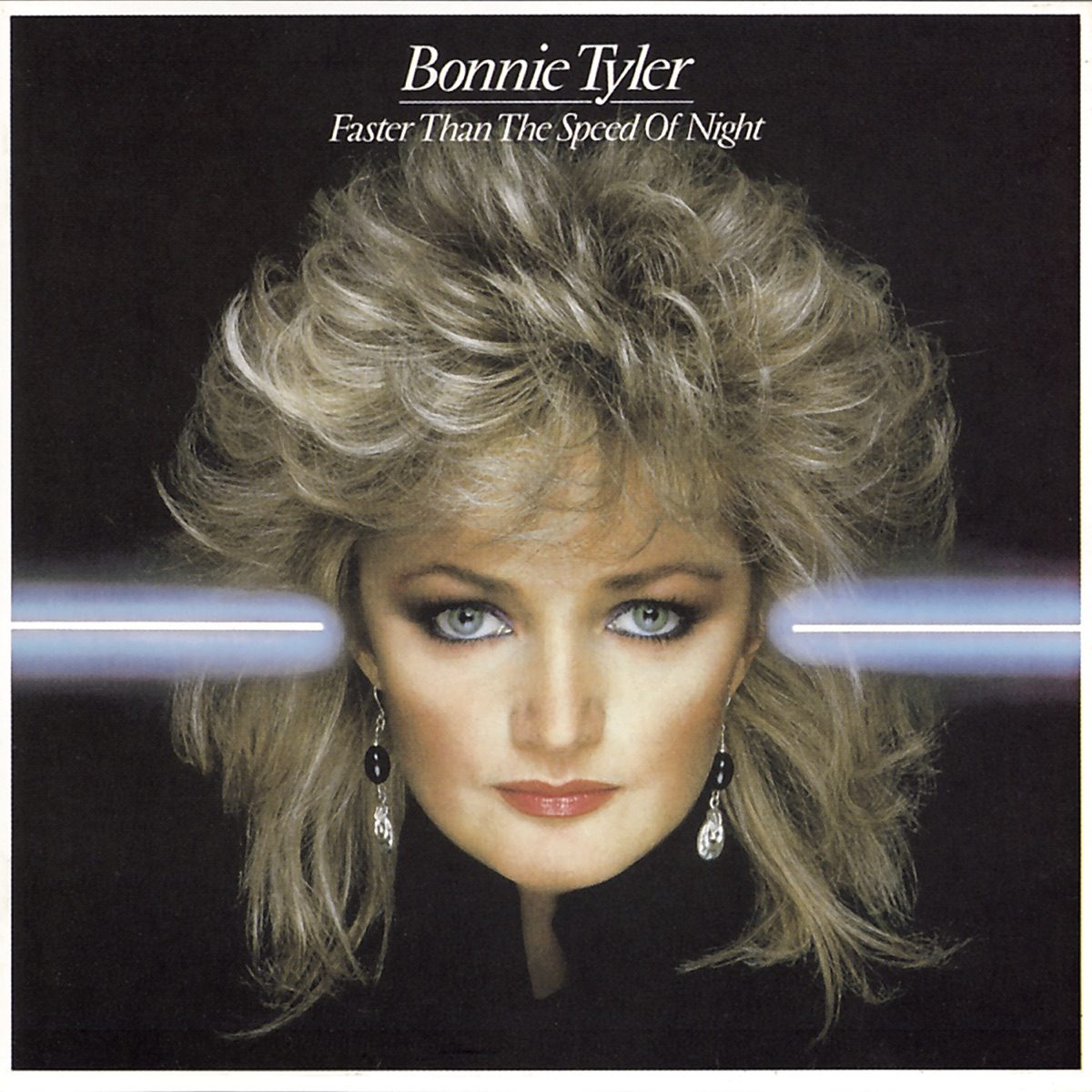
“Love, Light and Peace,” a posthumous Christmas gift
That is the backdrop for today’s release of “Love, Light and Peace,” described by Tyler’s team as her last-ever studio recording, finished the winter before she died. The song was written by Chrissie Hammond and composed with Terry Britten, who had first worked with Tyler almost fifty years earlier on her debut album. He produced the track alongside David Mackay, another longtime collaborator. A message posted on the singer’s own channels said her family would have loved for Bonnie to be here to present the song herself, before confirming it is “the last song she recorded.”
Her widower, Robert Sullivan, has said he wanted the single out because she would have wanted her fans to hear it. Styled as a seasonal classic, the song lands in a crowded commercial field: UK bookmakers already list it among the favourites for the Christmas number one, alongside the usual run of festive duets and covers that dominate that closely watched chart every December.
A voice that will keep returning with every eclipse
Beyond the emotion of the moment, this release underlines the singular place Bonnie Tyler holds in pop history: an artist tied to a handful of songs so massive they outgrew their own era. “Total Eclipse of the Heart” will likely keep climbing the charts every time the moon crosses the sun, while “Love, Light and Peace” will remain fixed to one date on the calendar: the farewell of an artist who never got to introduce it herself, but who once again leaves her voice to have the last word.