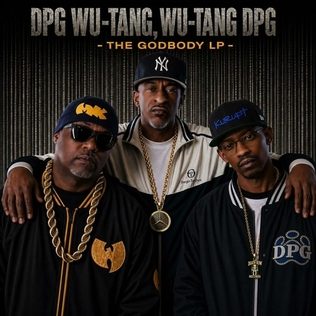
Pochette de The Godbody, Team League Entertainment
It took three decades of parallel careers for these three names to end up on the same cover. Rakim, widely regarded as one of the architects of modern rap writing, Kurupt, a pillar of the Dogg Pound and the 1990s West Coast scene, and Masta Killa, a member of the Wu-Tang Clan, have just released a joint album, plainly titled “The Godbody.”
The pairing is genuinely unexpected: none of the three had a track record of sharing a bill this directly. Rakim comes out of Long Island and embodies the 1980s East Coast of Eric B. & Rakim, with verses built like math problems. Kurupt grew up under Death Row Records on the West Coast, alongside Snoop Dogg and Daz Dillinger in the Dogg Pound. Masta Killa belongs to the mythology of the Wu-Tang Clan and its collective ethos. Putting these three lineages on one record replays, nearly thirty years later, the geographic rivalries that once defined American rap.
Three schools of rap under one roof
The album, produced entirely by Rakim himself alongside beatmaker Nick Wiz, bets on coexistence rather than fusion. Rakim keeps his measured delivery and knack for the perfect line, Kurupt his rapid-fire flow and West Coast slang, Masta Killa the gravity and lore of the Wu-Tang Clan. Released through Team League Entertainment, the project runs fifteen tracks deep and leans into a boom-bap sound closer to the 1990s than to today’s mainstream hip-hop.
A guest list that reads like a hip-hop summit
“The Godbody” doesn’t stop at its three headliners. The guest list plays like a who’s who of 1990s and 2000s rap brought back for one night, including:
- Snoop Dogg and Daz Dillinger, Kurupt’s old Dogg Pound running mates
- Ghostface Killah and Raekwon, standing alongside their Wu-Tang brother Masta Killa
- KRS-One and Kool G Rap, two towering figures of New York rap
- Eminem and Jay-Z, featured on the interlude “God Speak”
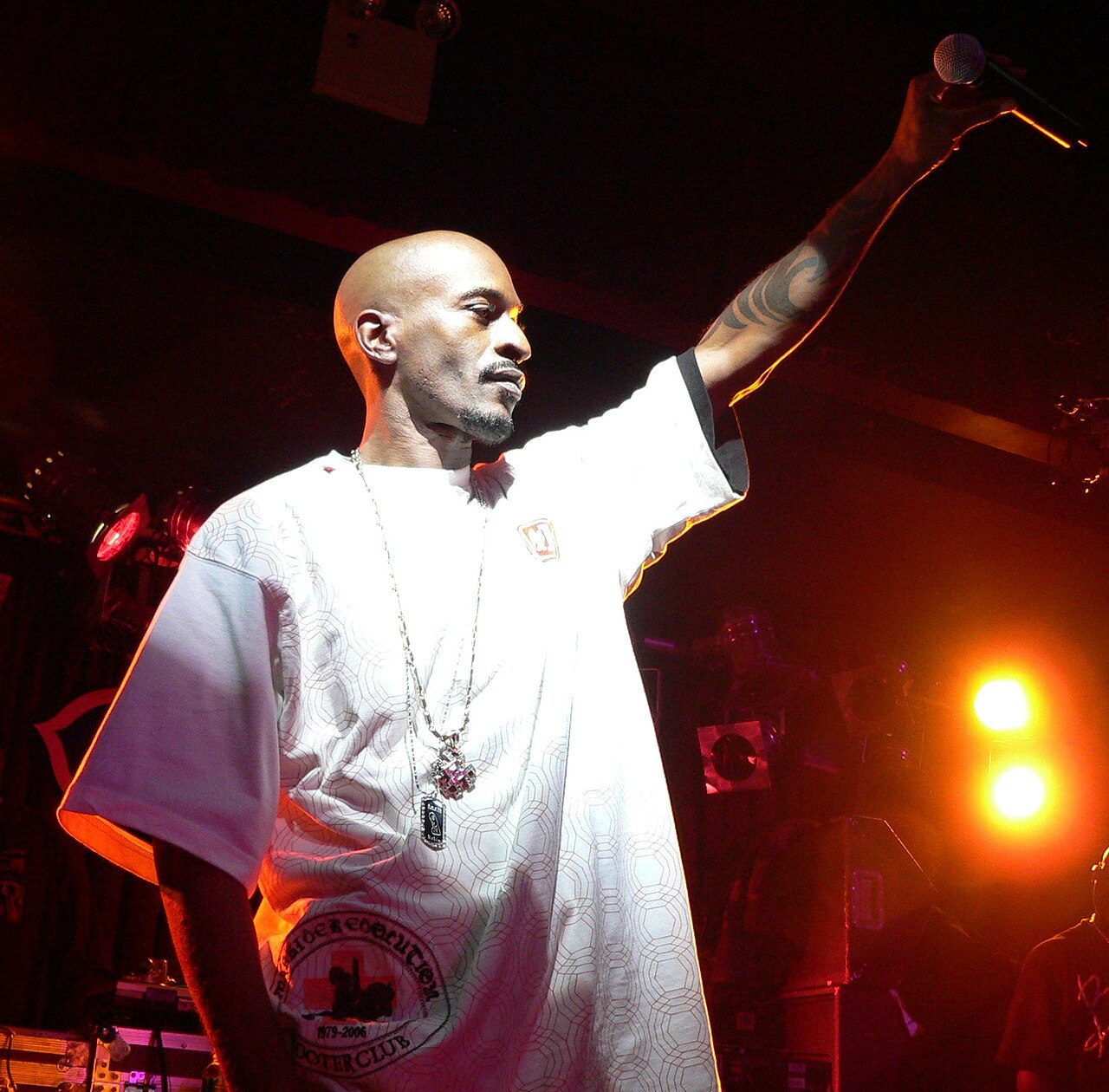
Rakim returns to solo work
Among all the features, one track stands out: “A Different Kind” marks Rakim’s return to a self-produced solo cut, his first in fifteen years. For an artist better known in recent years for guest verses than for personal projects, that kind of move carries more weight than a line in the credits: it confirms he’s still hands-on with writing and production, not just lending his name.
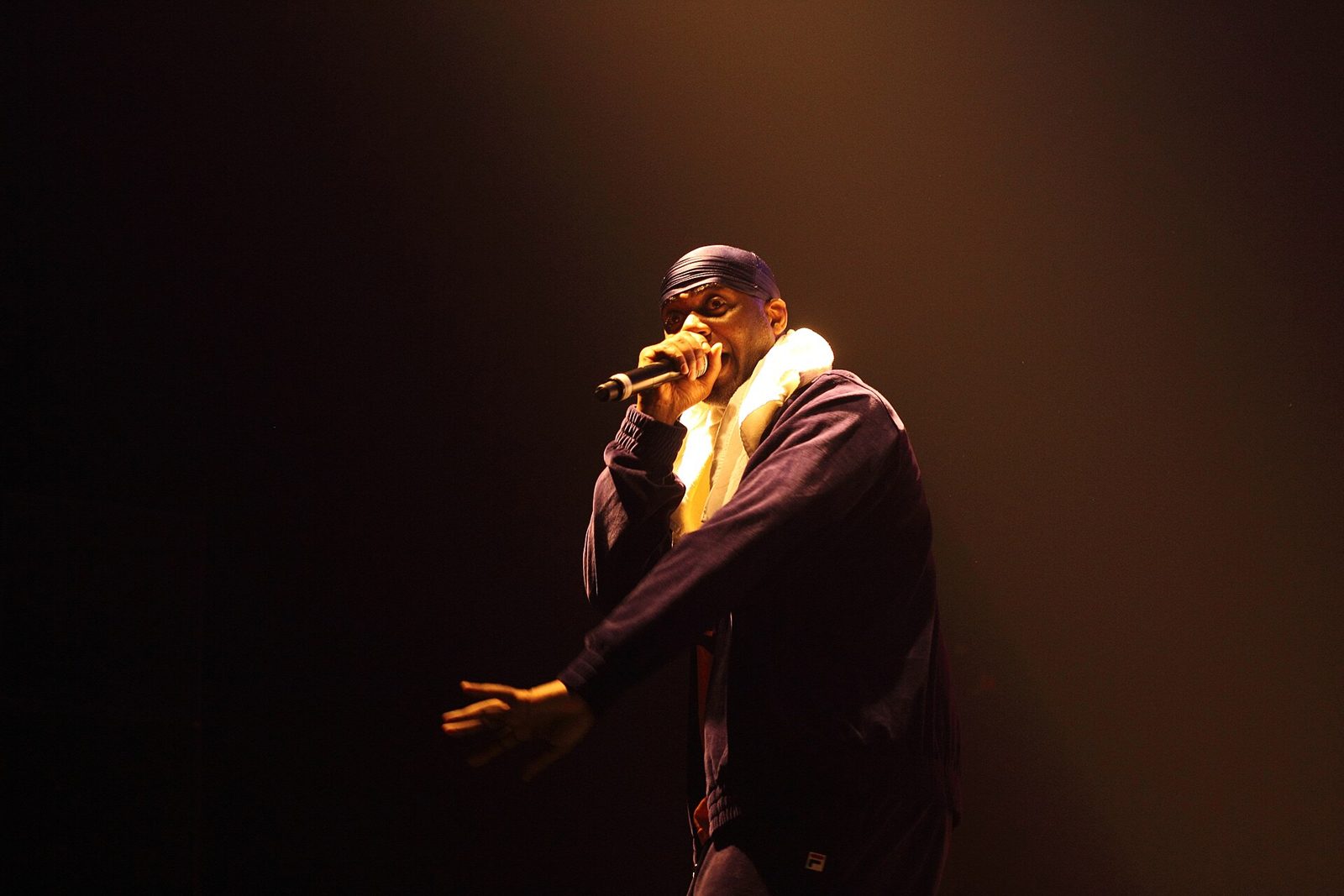
The second track’s title, “DPG-Wu-Tang, Wu-Tang-DPG,” sums up the album’s intent in a single line: putting on record, plainly, the meeting between the Dogg Pound and the Wu-Tang Clan, two of the genre’s most influential collectives, rarely paired on the same project before now. The video for that track went up on Rakim’s official channel in late August, ahead of the full album, as a way of setting the stage for this unlikely union.
The takeaway
“The Godbody” works less like a chart-chasing comeback record than like an act of generational handoff between long-opposed American coasts. The bet wasn’t a safe one: putting three such distinct styles on one record could easily have produced an uneven album. The result holds together, carried by the visible mutual respect between the three headliners and by production that never chases current trends.
Whether “The Godbody” finds a lasting audience beyond old-school rap fans remains to be seen. The record clearly isn’t aimed at mainstream streaming charts: it speaks first to listeners who grew up on these three names, and to a younger generation curious about where today’s rap actually comes from. On that front, the gesture matters almost as much as the result — a reminder that a genre born from neighborhood rivalries can still, three decades on, come together around a shared project.