XL Recordings
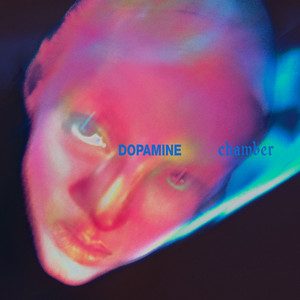
Fontaines D.C. released their fifth studio album, “Dopamine Chamber,” via XL Recordings on Friday. The Irish band, who broke through in 2019 with a nervy, literary strain of post-punk, have shifted direction once again, moving toward a more electronic, more cinematic sound built with producer James Ford, who also helmed 2024’s “Romance.”
A record about pleasure coming undone
Frontman Grian Chatten has framed “Dopamine Chamber” as an album about how pleasure mutates in a world shaped by climate collapse, political violence and the rise of artificial intelligence. Eleven tracks make up the record, opening with “Six Shot Morning” and closing with “Intimate,” and including “Marianne,” the lead single unveiled over the summer and partly inspired by the series “Ripley.”
The shift in sound is unmistakable: guitars pushed into the background, synthesizers and samples brought forward, the mood swinging between luminous and genuinely macabre. Several outlets in the UK describe a band diving headfirst into electronics, cinematic textures and a muted gothic streak, a world away from the post-punk sparks that defined “Dogrel” and “A Hero’s Death.”
Rosalía, their first-ever feature
The real surprise on “Dopamine Chamber” sits on “Where Is Gone?,” the track that brings Fontaines D.C. together with a guest artist for the first time: Rosalía. Across more than fifteen years since the band formed in Dublin, they had never opened a record up to an outside voice. The choice backs up the ambition stated when the album was announced: to step outside a comfort zone rather than repeat a formula that had already pushed “Romance” to number two on the UK charts in 2024.
What critics are saying
The critical reception has been largely positive, with one reservation coming up again and again: pacing. The Irish Examiner awarded it five stars, calling it the band’s most cohesive and self-assured record to date. Other UK outlets praise a seductive album whose beauty makes the emotional emptiness it explores feel all the more unsettling, while noting that its slower stretches can start to drag over a full listen.
- Produced by James Ford, who also worked on “Romance” and albums by Arctic Monkeys and Depeche Mode
- Eleven tracks, including the band’s first-ever feature, Rosalía, on “Where Is Gone?”
- Lead single: “Marianne,” video directed by Dave Meyers
Next stop: Slane Castle in 2027
The album arrives alongside a tour announcement, including a homecoming show at Slane Castle in Ireland in 2027 — a huge-scale return for a band that was still playing small Dublin venues less than a decade ago. It confirms that Fontaines D.C. have firmly crossed into the ranks of bands capable of filling Europe’s biggest stages, all while continuing to take real artistic risks in the studio. The band had already revealed the Rosalía feature a few weeks ahead of the album’s full release.
That trajectory points to a bigger shift for Fontaines D.C.: a club band turned festival headliner that has never stopped upending its own formula. Since “Dogrel” in 2019, the Dublin five-piece has changed skin with every record, moving from literary, Irish-poetry-inflected post-punk toward increasingly widescreen production, up to this fully electronic turn on “Dopamine Chamber.” It is a path that, in its own way, echoes other British and Irish bands who have filled stadiums without ever disowning their independent roots.
For listeners discovering the band with this fifth album, “Dopamine Chamber” makes for a distinctive entry point: less immediately abrasive than their early work, but just as absorbing, carried by Grian Chatten’s unmistakable voice. One record at a time, it confirms Fontaines D.C. as one of the most closely watched bands on the European independent scene this decade.