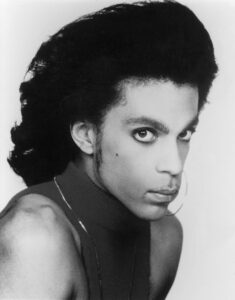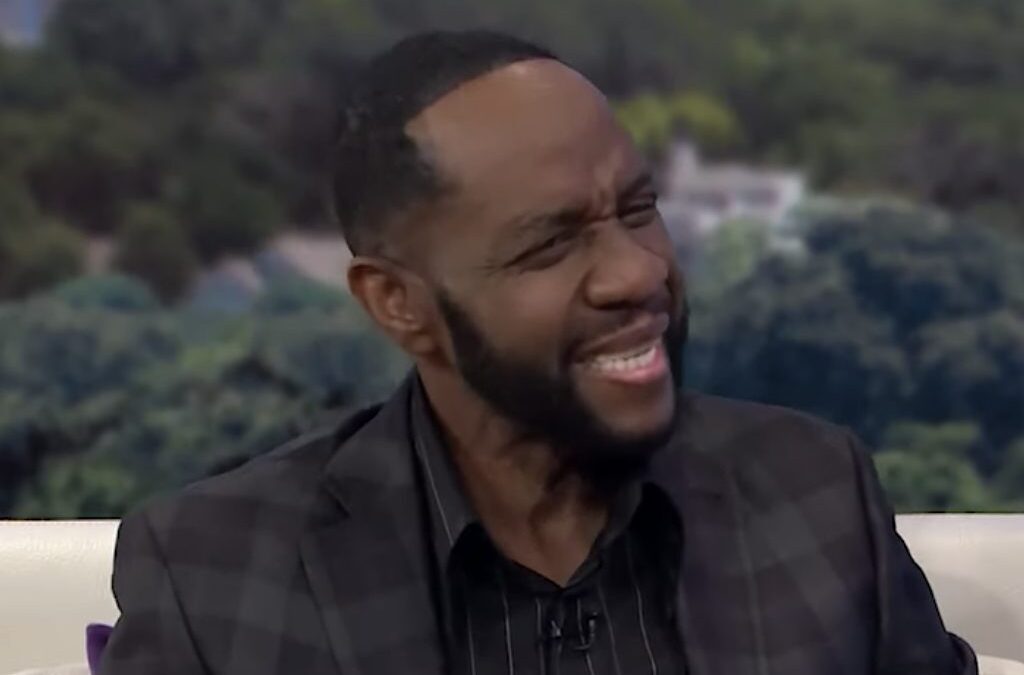
Freddie Jackson — photo officielle
Freddie Jackson’s team confirmed the news on October 6: the singer had passed away the previous evening, three days after turning 70. “Freddie was more than a legendary voice,” his family wrote in a statement. “He was a kind, generous soul who loved his fans, his family, his friends, and his music with everything he had.” His death closes the book on one of the most instantly recognizable voices of Reagan-era R&B, the one that turned velvet smoothness into a seduction weapon on FM radio.
From Harlem gospel choirs to the clubs of Los Angeles
Frederick Anthony Jackson was born on October 2, 1956, in Harlem. Like many voices of his generation, he trained in church, singing in the choir of the White Rock Baptist Church. That is where he met producer Paul Laurence, a partnership that would shape the first half of his career. Before going solo, Jackson spent time in the late 1970s with California funk outfit Mystic Merlin, an experience that gave him a taste for the stage before he returned to New York to try his luck.
Rock Me Tonight, the record that changed everything
In 1984, Freddie Jackson signed to Capitol Records. The following year came his album Rock Me Tonight, written and produced by Paul Laurence. Carried by the title track “Rock Me Tonight (For Old Time’s Sake),” six weeks at number one on the R&B chart and the best-selling R&B single of 1985, the album itself topped the R&B albums chart for fourteen weeks. He followed it with “You Are My Lady,” a second number one from the same record and the biggest crossover hit of his career, reaching number 12 on the Billboard Hot 100. Those two songs alone were enough to make Freddie Jackson one of the faces of quiet storm, the smooth late-night radio format that soundtracked countless American evenings in the mid-1980s.
Ten R&B number ones and a career built to last
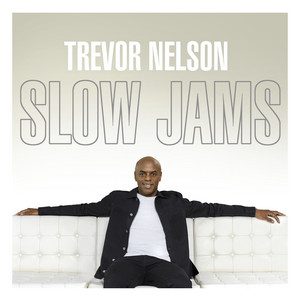
The hits kept coming: “Have You Ever Loved Somebody” in 1986, “Jam Tonight” the same year, then “Do Me Again” in 1990, rounding out a run of ten number-one singles on the US R&B chart, a tally that places Jackson among the most consistent crooners of his generation. Thirteen studio albums span his career between 1985 and 2018, from Just Like the First Time (1986) to Don’t Let Love Slip Away (1988), through to Love Signals, his final record, released in 2018. His voice also found its way to the screen, with the song “Love Survives” featured on the soundtrack of the 1989 animated film All Dogs Go to Heaven.
The echo of a bygone era
Freddie Jackson belonged to a generation of singers who watched church-rooted soul turn into a polished FM formula, alongside contemporaries including Aretha Franklin, whose career whatlisten recently traced in ten songs, who laid the groundwork for the very genre he would go on to modernize. Unlike many of his peers, Jackson never really left the stage: he was still touring recently, backed by a fan loyalty that is rare for an artist of his generation.
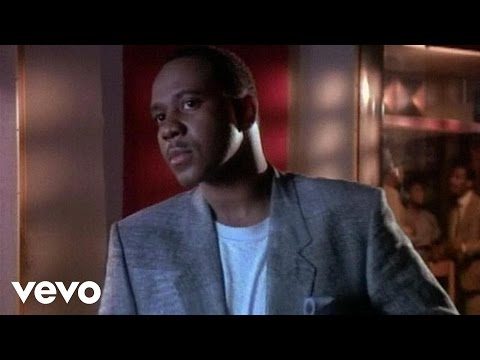
His family has not disclosed a cause of death. The singer had revealed in 2024 that he was living with kidney disease. Tributes poured in from across the R&B world in the hours following the announcement, from fellow singers who grew up on his records to younger artists who sample his catalog without always knowing where the warmth in that sound comes from. His name will forever be tied to those few seconds when, in the mid-1980s, a single FM radio cue was enough to turn any evening into a slow dance.