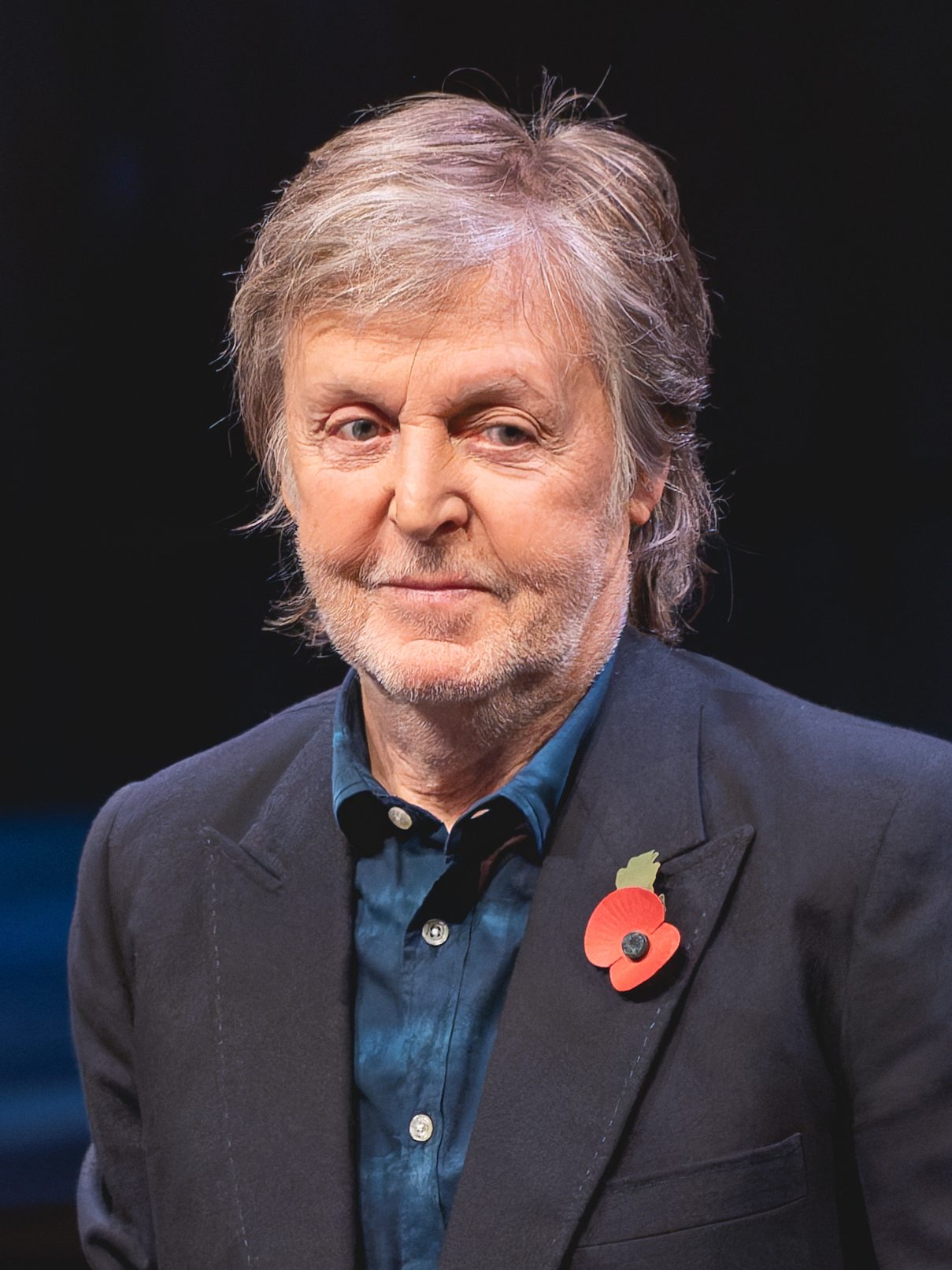
Paul McCartney / Capitol Records — pochette officielle
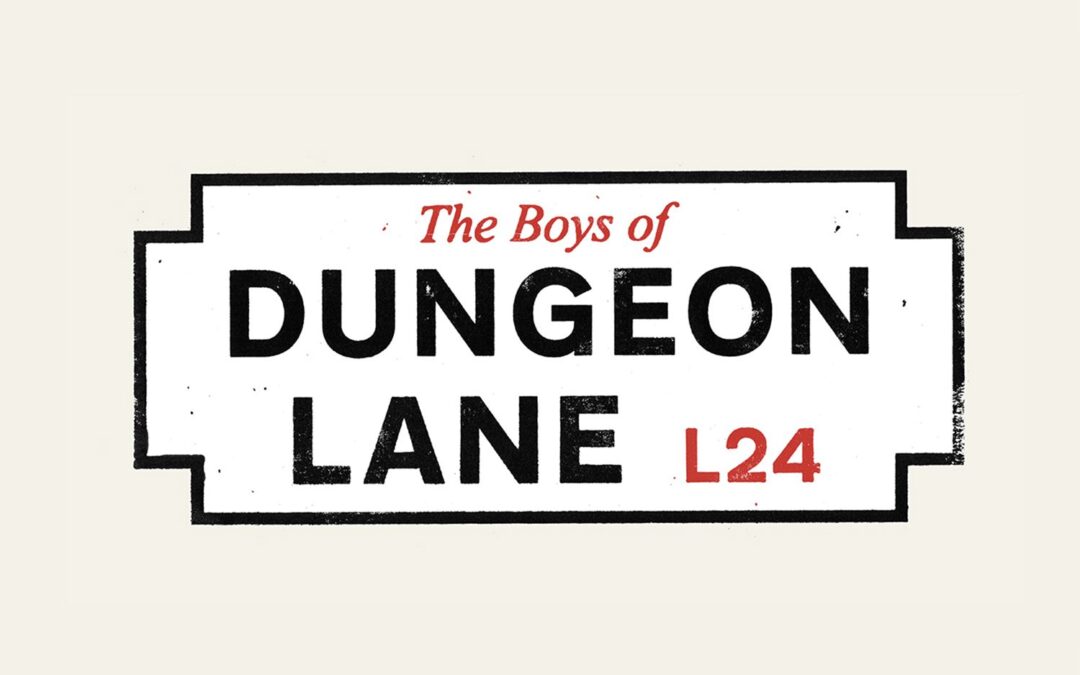
Twenty solo albums, sixty years into his career, and Paul McCartney is still reaching somewhere other than the present. The Boys of Dungeon Lane, released on May 29, is his first new solo record in over five years, and the most openly autobiographical thing he’s released in a long while. The title comes from a line in the song Days We Left Behind: Dungeon Lane is a road in Speke, on the outskirts of Liverpool, where Paul and George Harrison grew up before the world had ever heard of the Beatles.
At 83, McCartney doesn’t have much left to prove: co-author with John Lennon of most of the Beatles’ catalog, bassist and songwriter for Wings through the 1970s, and the author of a solo discography that began in 1970 with the famously stripped-back McCartney, continuing in fits and starts all the way to McCartney III in 2020. The Boys of Dungeon Lane follows that same lineage of solo records made far from institutional studios, where he plays most of the instruments himself, but it stands apart through a move that’s rare for him: looking straight back at childhood rather than at the present or at pure sonic experimentation.
A record built over five years, between tour legs
The album was written and recorded in pieces between 2021 and 2025, during breaks in the Got Back tour, split between Los Angeles and Hogg Hill Mill, McCartney’s own studio in East Sussex. Producer Andrew Watt lets Paul play most of the instruments himself, in the same homemade spirit that has defined his work since McCartney (1970), his very first solo album. The result draws on the bouncy, commercial rock of peak-era Wings, the vocal harmonies inherited from the Beatles, and a feel for groove that age clearly hasn’t dulled: fourteen tracks, an eclectic record that moves between rollicking Wings-style rock, Beatles-esque harmony, McCartney’s own grooves, understated intimacy, and a well-honed talent for character songs.
Days We Left Behind, the key track
Unveiled as the lead single on March 26, Days We Left Behind is a stripped-back, almost whispered ballad in which McCartney revisits his childhood in postwar Liverpool, the resilience of his parents, and his earliest adventures with George Harrison and John Lennon, long before Beatlemania. The lyric video, made by Trunk Animation — a studio with a long history of working with the Beatles — pairs handwritten lyrics with photographs from his childhood. A line from this very song gives the whole album its title, and the tone it sets, modest and free of forced nostalgia, runs through the rest of the record.
Home to Us, a reunion with Ringo Starr
The second single, released on May 8, brings together the two surviving Beatles in an official duet for the first time. Produced by Andrew Watt, with backing vocals from Chrissie Hynde (The Pretenders) and Sharleen Spiteri (Texas), the song also returns to the streets of Liverpool and the distance traveled since. It plays like an affectionate nod between two men who lived through the history of modern pop together, without ever tipping into pure commercial nostalgia: Ringo’s rougher voice simply sits alongside Paul’s, still remarkably intact at 83.
A record of characters and memories
The rest of the album alternates between character songs — Momma Gets By, which closes the record with the portrait of a mother holding her household together while an absent father drifts elsewhere — and more intimate love songs, like Life Can Be Hard or We Two. Other legacy acts are putting out records late in their careers too, but McCartney chooses here not to force the present: he tells the story he knows best, with a craft that hasn’t dulled one bit. It is a reminder that, decades after the Beatles and Wings, he is still the same songwriter who finds a hook in the ordinary, whether it’s a working mother or a door-to-door salesman.
Other tracks reward a closer listen: opener As You Lie There sets the record’s confessional tone right away, Mountain Top and Down South lean into the loose folk-rock of Wings’ best moments, while the more theatrical Salesman Saint confirms McCartney’s long-running taste for vivid characters, a thread running through his work since Eleanor Rigby or Uncle Albert. That variety of formats, between open-hearted ballads and narrative vignettes, is exactly what keeps the record from sounding like a simple nostalgia exercise: each song shifts the angle slightly, without ever losing the autobiographical thread that holds it all together.
Why this album matters
Number one in the UK, Belgium, Denmark, the Netherlands and Scotland, and number five on the Billboard 200: The Boys of Dungeon Lane confirms that interest in McCartney is anything but a reflexive nostalgia play. Critics praised a joyous, richly nostalgic record carried by a still-intact melodic gift, the kind of songwriting that lodges more than one of these songs in your head days after listening. Beyond the now-familiar story of the living legend looking back, the record also simply works as a well-written pop album that doesn’t need the name on the cover to win you over. For listeners discovering McCartney through his recent output, The Boys of Dungeon Lane offers a more personal entry point than most of his solo albums of the past two decades; for longtime fans, it plays like a kind of closing of the loop, the moment one of pop’s greatest storytellers finally turns to tell his own story rather than someone else’s.